
Cooking is more than just a passion, it’s a profession that demands precision, safety and efficiency. Whether you’re a home cook, a line chef or an executive leading a bustling kitchen, what you wear plays a crucial role in your performance.
The right chef clothing enhances comfort, protects against hazards and upholds hygiene standards in food preparation.
This guide covers everything you need to know about chef clothing in the food industry, from essential garments to footwear and accessories.
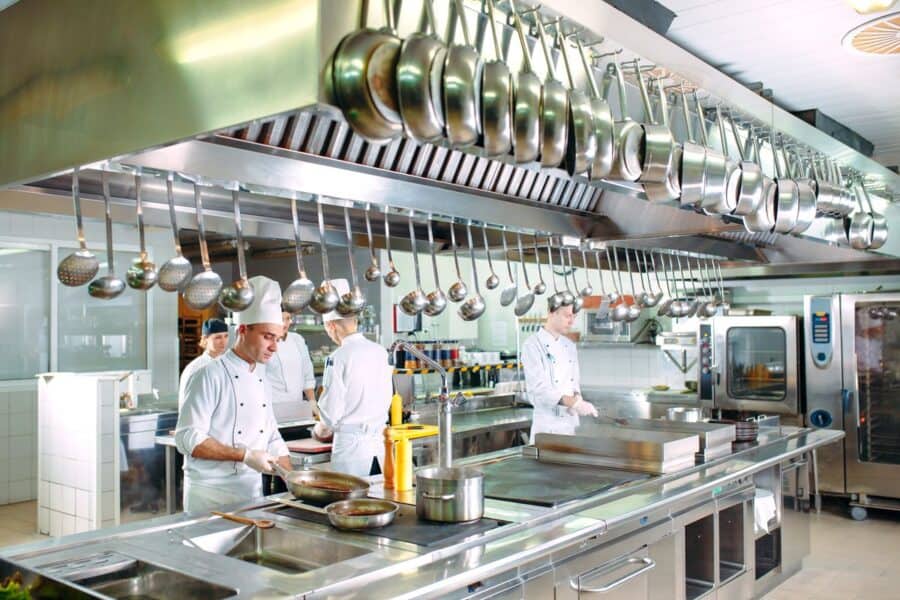
Why Is Chef Clothing Important?
Chef clothing isn’t just about looking the part, it serves practical purposes, including:
- Safety: Protects against burns, spills and slips.
- Hygiene: Prevents contamination and maintains cleanliness.
- Comfort: Ensures breathability and flexibility for long shifts.
- Professionalism: Helps create a polished and uniform appearance.
Whether you’re working in a professional kitchen or cooking at home, choosing the right attire improves both performance and safety.
Beyond the right clothing, making your kitchen safer is just as important.
What Should Home Cooks Wear in the Kitchen?
Home cooks don’t have to follow strict uniform policies, but wearing the right clothing makes cooking safer and more comfortable.
Essential Attire for Home Cooks
- Well-fitted cotton shirts – Avoid loose clothing that could catch fire.
- Durable aprons – Protects clothing from stains and splashes.
- Slip-resistant shoes – Reduces the risk of slipping on wet floors.
- Oven mitts and gloves – Essential for handling hot dishes safely.
Unlike professional chefs, home cooks can prioritise comfort, but investing in shirts specifically made for chefs can enhance breathability and durability in the kitchen.
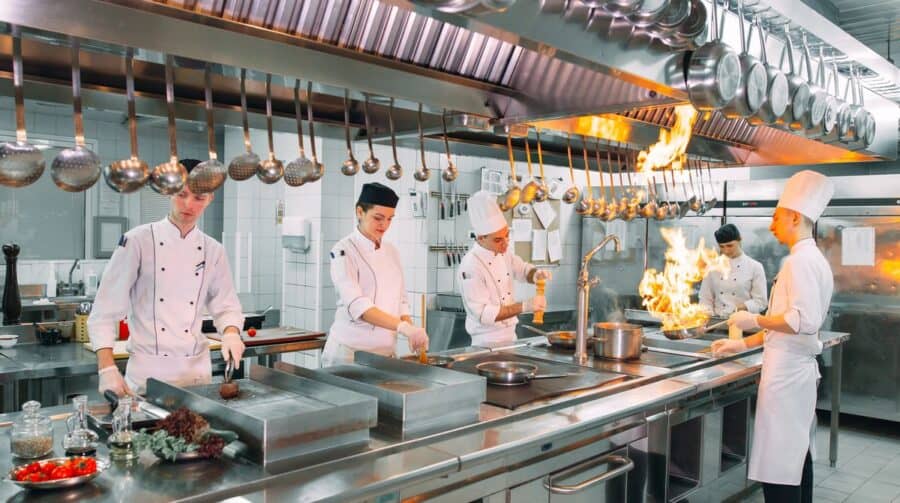
What Do Line Cooks and Kitchen Staff Wear?
In fast-paced professional kitchens, clothing must withstand heat, spills and long shifts.
Key Uniform Elements for Kitchen Staff
- Chef jackets or short-sleeved chef shirts – Made from breathable, stain-resistant fabrics to keep cooks cool and protected.
- Durable, lightweight trousers – Flexible and easy to move in.
- Head coverings or hats – Prevents hair from contaminating food.
- Non-slip footwear – Essential for navigating wet or greasy floors.
Line cooks and kitchen staff often work in high temperatures, making breathable fabrics and sweat-wicking materials a priority for comfort.
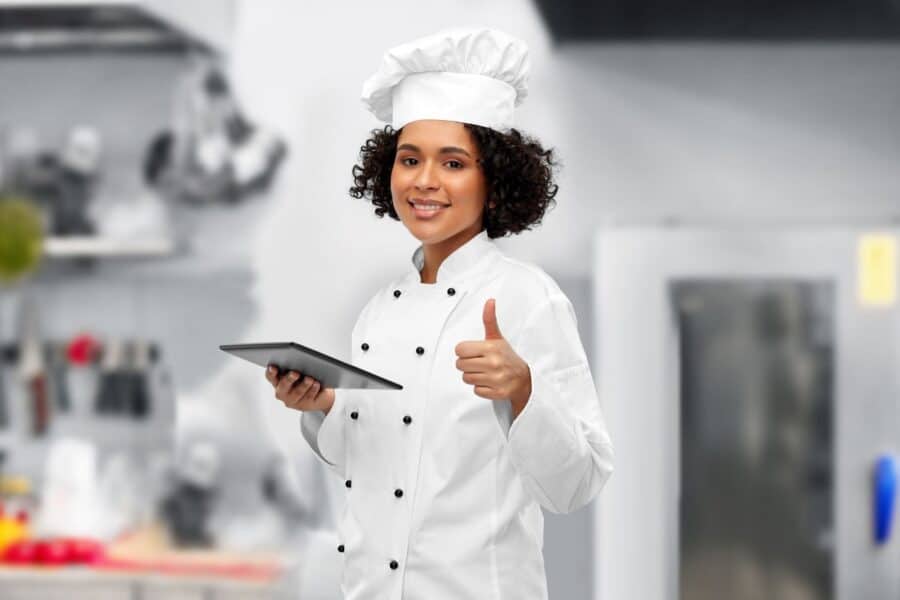
What Should an Executive Chef Wear?
Executive chefs oversee kitchen operations and interact with guests, making their attire a blend of functionality and professionalism.
Typical Executive Chef Outfit
- Double-breasted chef jackets – Traditional, stylish, and practical.
- High-quality chef shirts – Offers breathability while maintaining a polished look.
- Tailored trousers – A professional yet comfortable option.
- Durable footwear – Designed for long hours on the kitchen floor.
Many modern executive chefs opt for personalised uniforms, including coloured chef coats or embroidered details that showcase their expertise.
For those managing a kitchen in a hospitality setting, ensuring a smooth operation goes beyond just attire.
What Are the Best Shoes for Chefs?
Standing for hours in a busy kitchen can take a toll on your feet, making chef footwear one of the most important clothing choices.
Top Features to Look for in Chef Shoes
- Non-slip soles – Prevents accidents on wet floors.
- Supportive cushioning – Reduces foot fatigue and joint strain.
- Breathable materials – Helps prevent excessive sweating.
- Water-resistant properties – Protects against spills and splashes.
Popular options include clogs and slip-resistant trainers, designed specifically for chefs who spend long hours on their feet.
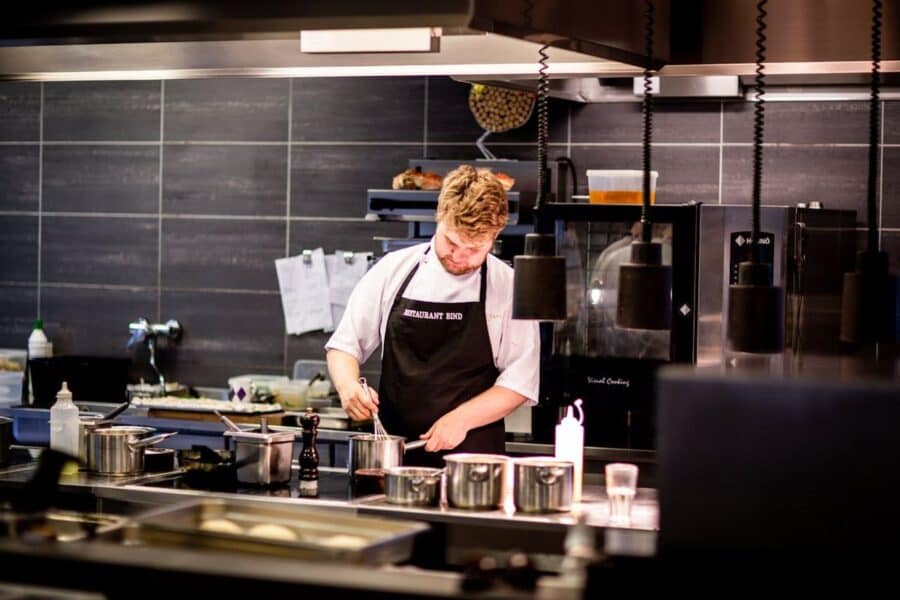
What Accessories Complete a Chef’s Uniform?
Accessories enhance safety, efficiency and hygiene in the kitchen.
- Aprons – Essential for protecting clothing from stains and spills.
- Cut-resistant gloves – Reduces the risk of knife injuries.
- Kitchen towels – Useful for quick clean-ups and handling hot items.
- Thermometer pockets – Convenient storage for food safety checks.
Professional chefs often carry small tools like tweezers and pens, making pockets in chef coats and trousers a practical feature.
Final Thoughts – Dressing for Success in the Kitchen
From home cooks to executive chefs, the right clothing makes a difference in performance, safety and hygiene. Whether you opt for chefs shirts, durable aprons or slip-resistant shoes, investing in the right attire enhances confidence and efficiency in the kitchen.
Choosing the proper chef clothing isn’t just about compliance, it’s about comfort, protection and professionalism in any cooking environment.
